

From what age is a play tent useful?
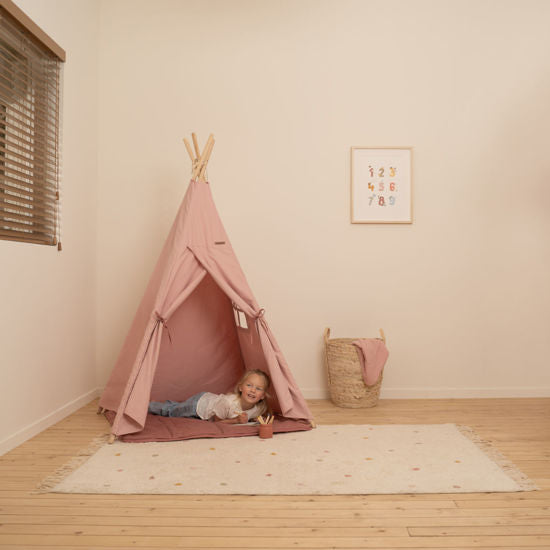
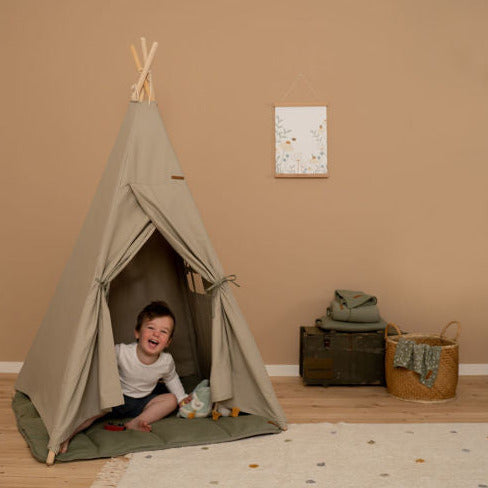
Once a child can sit and crawl confidently, around the age of one, a play tent becomes exciting. It's usually used extensively between the ages of two and six, when role-playing games become common. A soft floor mat is essential for the youngest children. Older children often use the tent as a quiet retreat for reading.
Which play tent fits in a child's room?
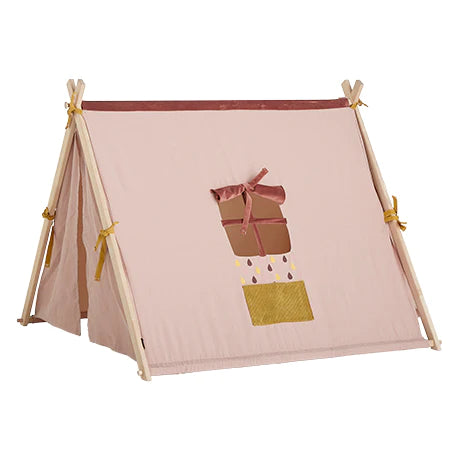
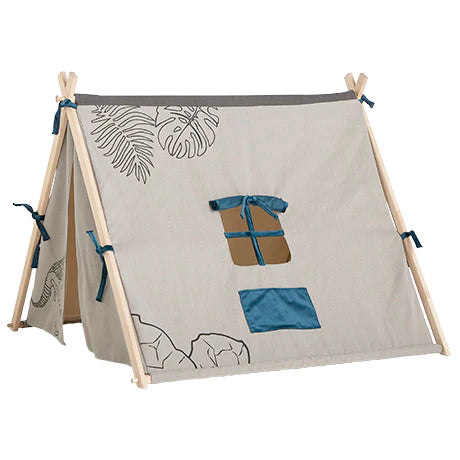
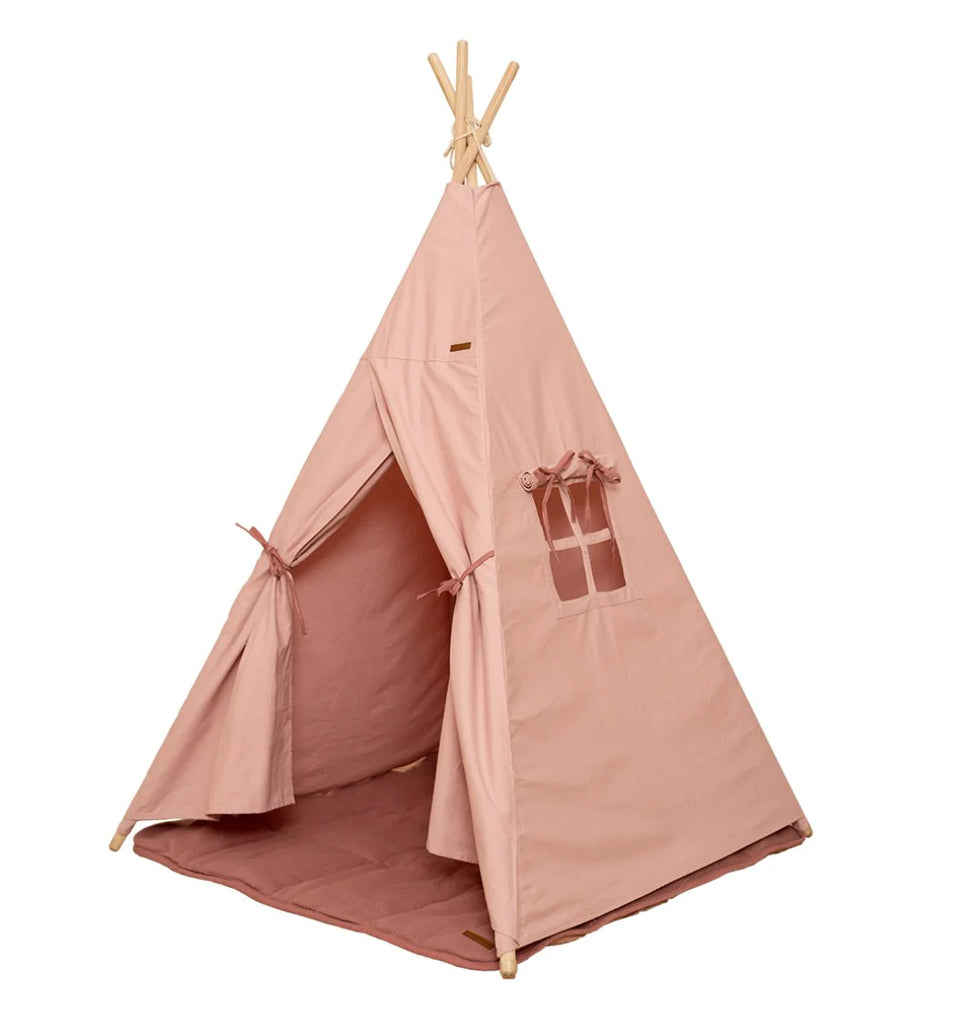
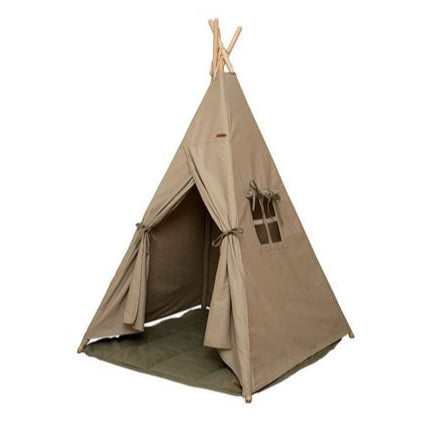
Before buying, measure the available space and the height under the sloping roof. Tipi tents require a footprint of approximately 100 by 100 centimeters and are around 150 centimeters high. Classic dome tents are flatter and can also fit next to a bed. Allow some space all around so the poles don't bump into furniture.
What is the difference between a tipi and a pop-up tent?
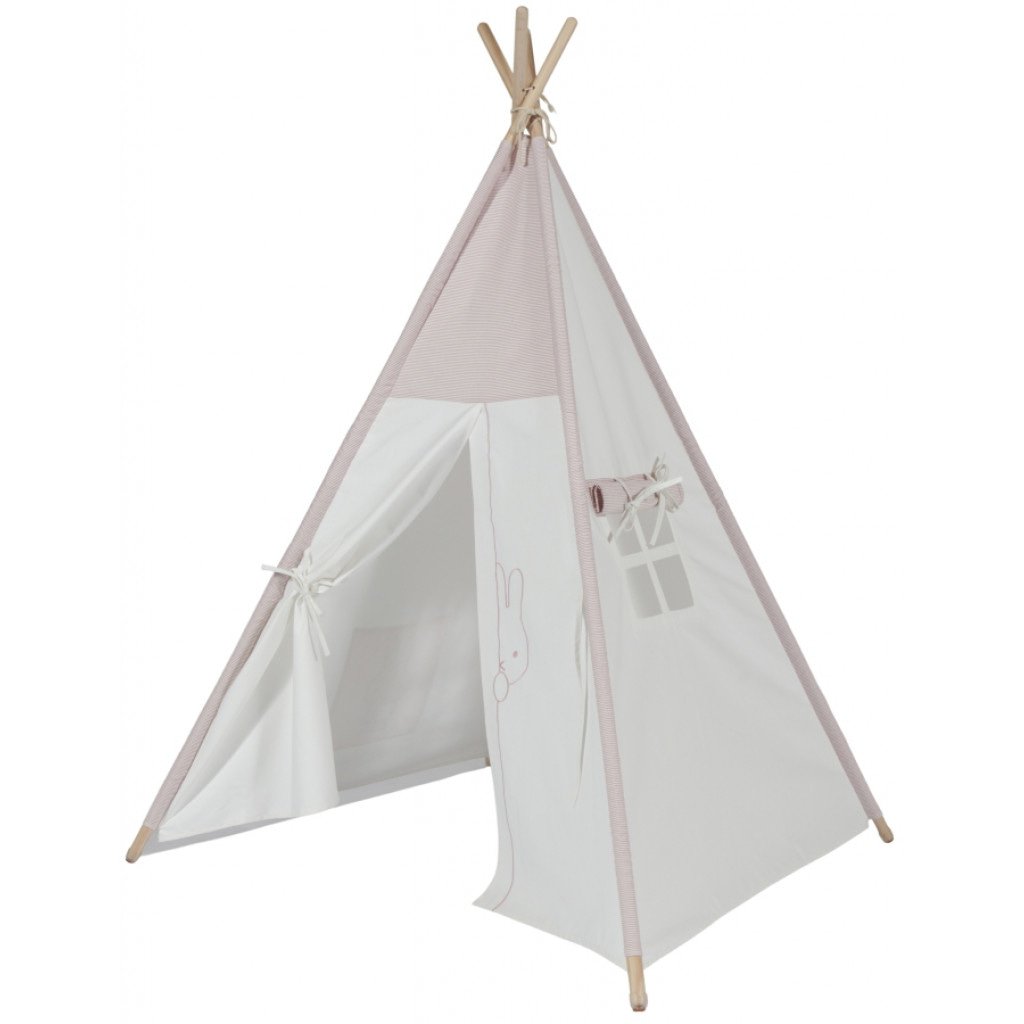
A teepee is constructed from wooden poles and a fabric cover, is stable, and looks good as a piece of furniture in a room. A pop-up tent springs up automatically when unpacked and can be set up in seconds; however, it is lighter and better suited for travel. For permanent use in a child's room, the teepee is the more peaceful choice.
Can you use a play tent outdoors?
Indoor tents made of cotton are only suitable for the garden in dry weather, as the fabric absorbs moisture. Coated polyester tents are better for outdoor use, ideally with UV protection. Place the tent in the shade and bring it inside in the evening. You can find more garden products under Outdoor.
Do I need a floor mat for the play tent?
A playmat is definitely useful on tiles, laminate flooring, or in the garden because it provides cushioning and warmth. On a carpet, the play tent alone is often sufficient. Many sets include a suitable mat; otherwise, a playmat or a small rug, for example from the rugs category, will also work.
How safe are play tents for small children?
Make sure the poles are sturdy and won't tip over, and that the connections are well-stitched. Cords should be short to prevent anyone from getting tangled in them. The entrance must always remain clear and should not be closable. Don't place the tent near heaters, electrical outlets, or shelves, and check on small children regularly.
What material should a play tent be made of?
Dense cotton looks high-quality, is breathable, and is well-suited for a child's room. Polyester is lighter, less expensive, and easier to care for, but less airy. The poles are usually made of pine or beech wood. Look for smoothly sanded edges and fabrics that have been tested for harmful substances, ideally Oeko-Tex certified.
How do I clean a play tent?
Remove the cover from the poles and check the care label. Many cotton covers can be machine washed at 30 degrees on a gentle cycle; coated fabrics are best wiped with a damp cloth. Allow everything to air dry completely before reassembling the bed, otherwise mildew may develop.
Can a play tent be stored in a space-saving way?
Yes, most models are quick to disassemble: remove the fabric, fold the poles, and pack both into the included bag. A teepee then fits behind a door or under a bed. Pop-up tents can be rolled into a flat disc. Dry and air everything thoroughly before storing.
How quickly can a play tent be delivered?
LanaLu is a Swiss online shop with a warehouse in Switzerland, so the general rule is: order today, delivered tomorrow. Before a birthday, it's worth allowing a buffer of one or two days so you can set up the tent at your leisure and check the poles before handing it over.