


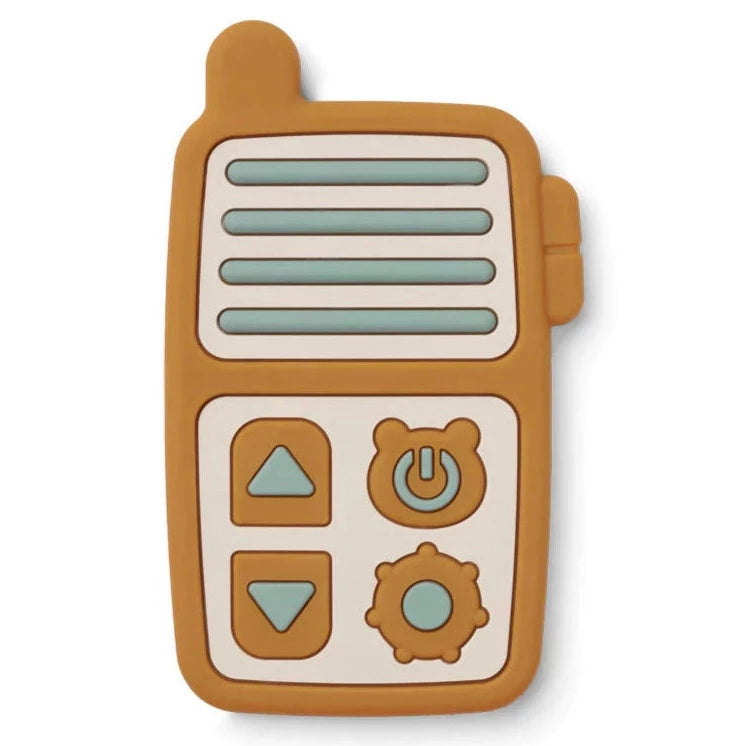
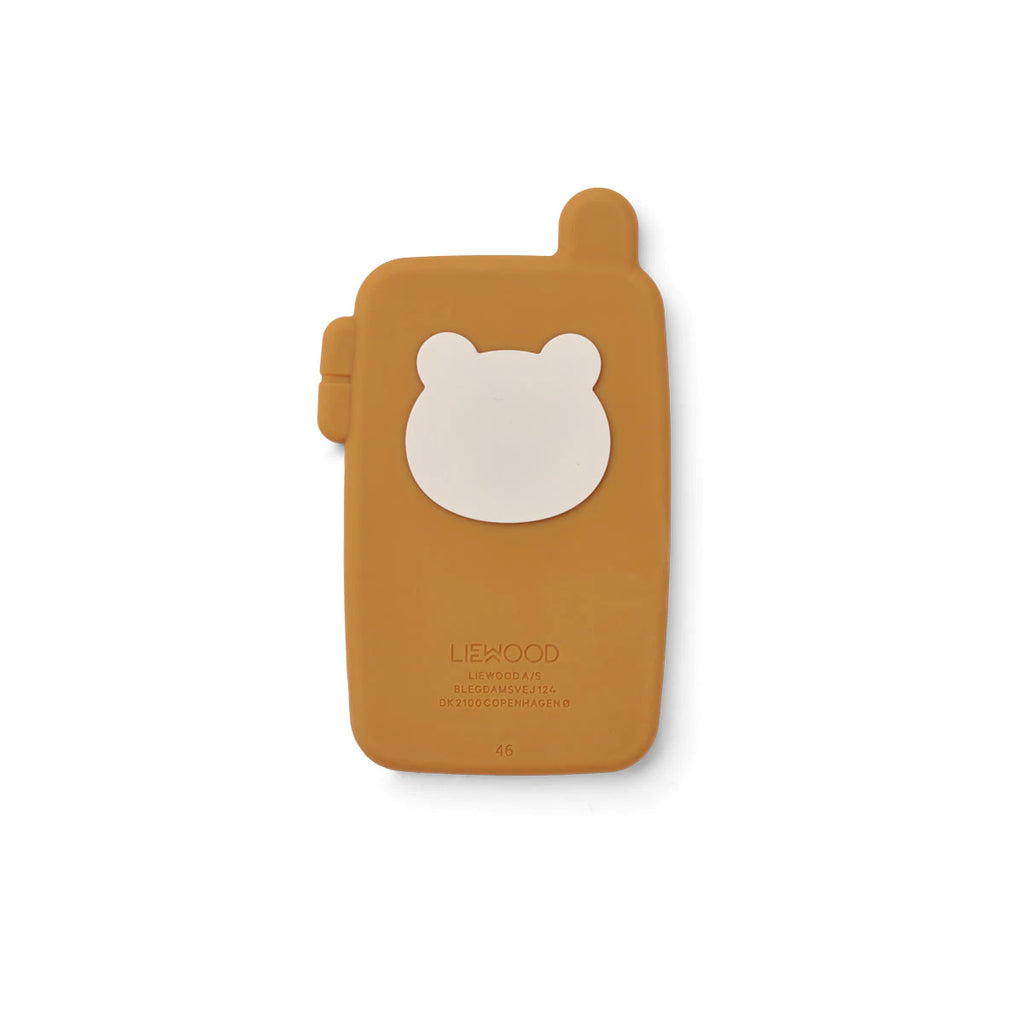


Is silicone good for children?
Food-grade silicone is considered one of the safest materials for baby toys: it contains no plasticizers, is tasteless, and can withstand temperatures from the freezer to boiling water. Look for the label "food grade" or "food-safe." If a product has a strong chemical smell when you unpack it, it should not be put in your child's mouth.
How can I identify toys that are free of harmful substances?
Look for clear material specifications, the CE marking, and indications of tested, non-toxic materials or Oeko-Tex certified fabrics. A strong odor, colors that bleed, or a very low price for a no-name product are warning signs. For toys that end up in the mouth, it's especially important to check the manufacturer.
How do I properly clean silicone toys?
For everyday cleaning, warm water with a little mild dish soap is sufficient. Most silicone items can also be washed in the dishwasher (top rack) or boiled in water for two to three minutes. Check the manufacturer's instructions beforehand. It's important that everything dries completely before storing it—otherwise, moisture will build up in any crevices.
From what age are silicone toys suitable?
Silicone teething rings and grasping toys are suitable from around 3 months of age, as soon as your baby starts grasping intentionally. Because the material is soft and yielding, it's soothing during teething and won't hurt the gums. From toddler age onwards, stacking toys, shapes, and silicone tableware can be added. Always check the age recommendation on the packaging.
Silicone or rubber — what's the difference?
Natural rubber comes from trees, is somewhat softer, and has a slightly distinctive odor. It can be problematic for people with latex allergies and cannot withstand hot water. Silicone is odorless, hypoallergenic, and can be boiled. Therefore, silicone is usually the simpler choice for children with sensitive skin.
Do silicone toys help with teething?
Yes. The gentle pressure on the gums relieves the pain, and the cool surface is also soothing. You can briefly put a teething ring in the refrigerator, but never in the freezer—if frozen solid, it becomes a risk to the gums. You'll find more options among the teething rings and grasping toys.
When should I throw out my silicone toys?
Check teething rings regularly, especially once the first teeth have erupted, as soon as you see cracks, holes, or bitten-off areas. Broken-off pieces can be swallowed, and moisture can collect in cracks. Sticky or dull silicone also indicates material fatigue.
Is silicone tableware suitable for babies?
Very good. It won't break if it falls from the highchair, it's heat-resistant, and many plates have a suction cup to prevent tipping. Make sure the dishes are dishwasher-safe and that the suction cup can be removed for cleaning. You can find more information in the tableware section.
Why does silicone toy sometimes turn white or dull?
This is usually harmless limescale from the water or residue from dish soap. Briefly soak the item in water with a little vinegar and rinse thoroughly; the surface will then be smooth again. If it remains rough or sticky, the material is worn out—in that case, it's best to replace the toy.
How quickly will the silicone toy be delivered?
LanaLu is a Swiss online shop with its own warehouse in Switzerland. Order today, delivered tomorrow — perfect when you need a new teething ring quickly. You don't have to wait for a shipment from abroad or deal with customs paperwork.
 Deutsch
 Deutsch
 English
 Français
 Italiano
 Español
 Hrvatski
 Türkçe
 Shqip
 Bosanski
 Română
 Українська