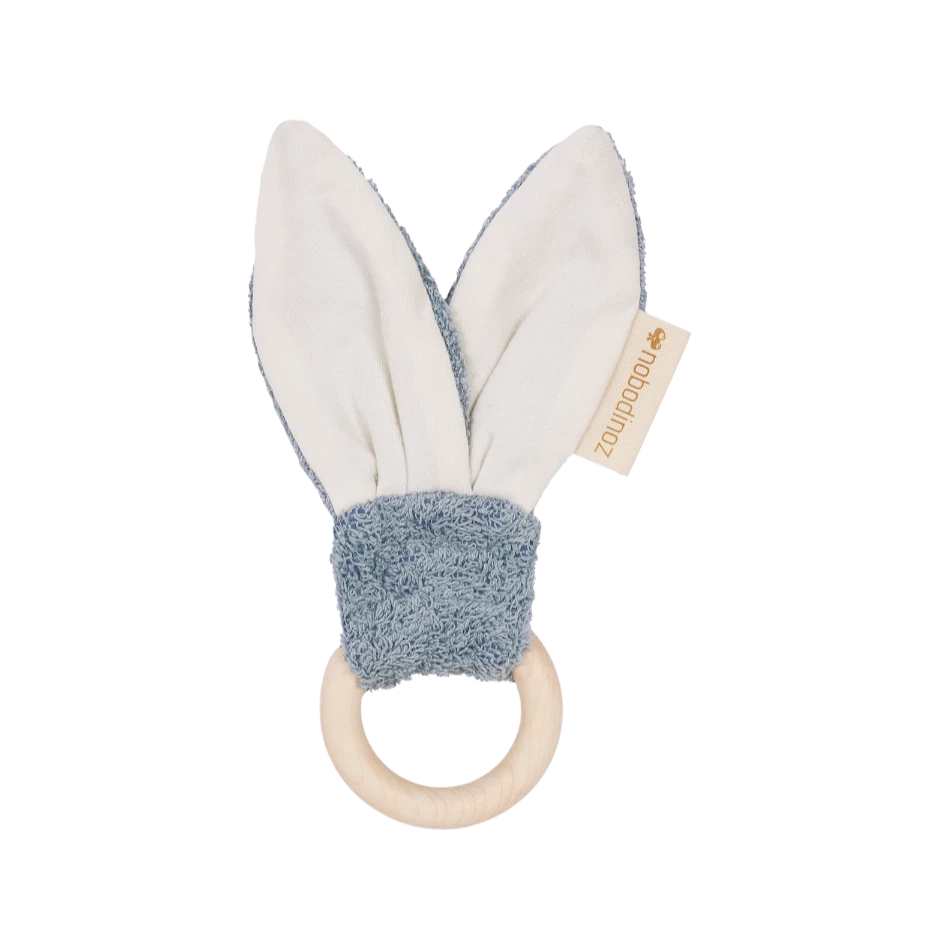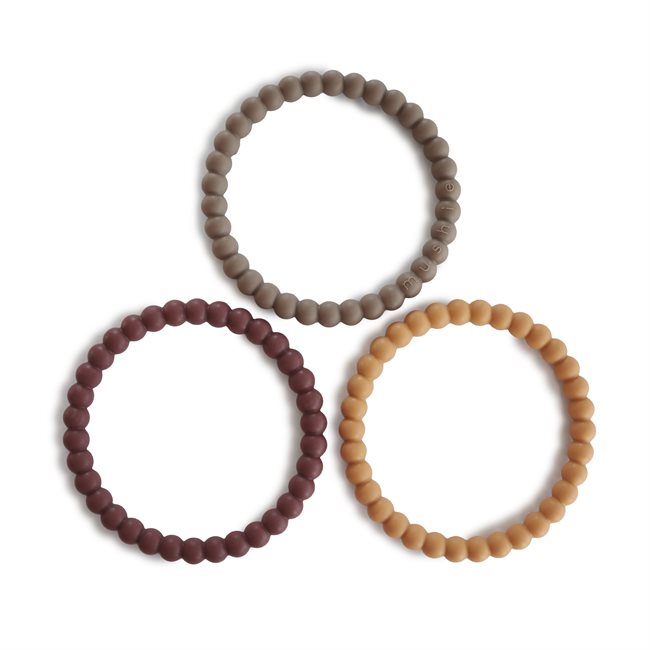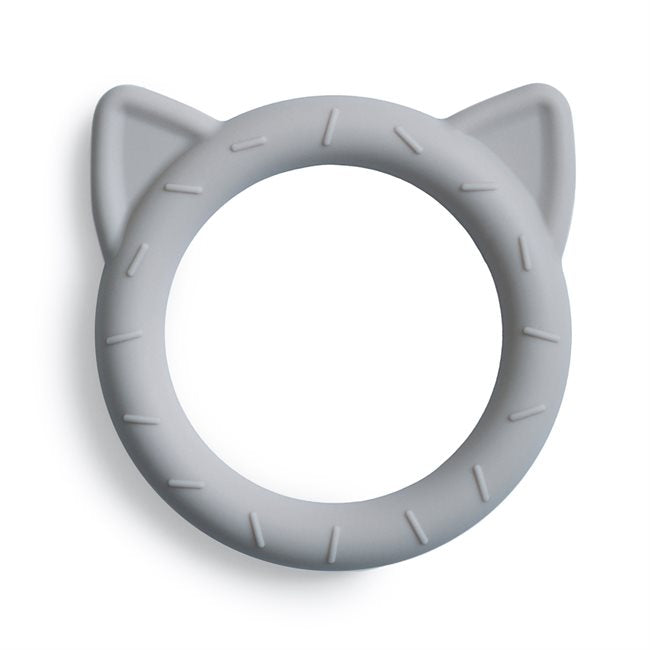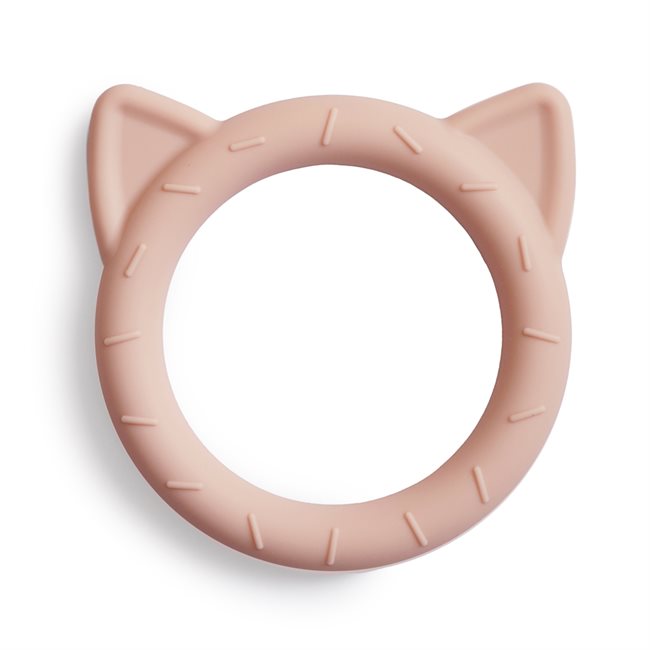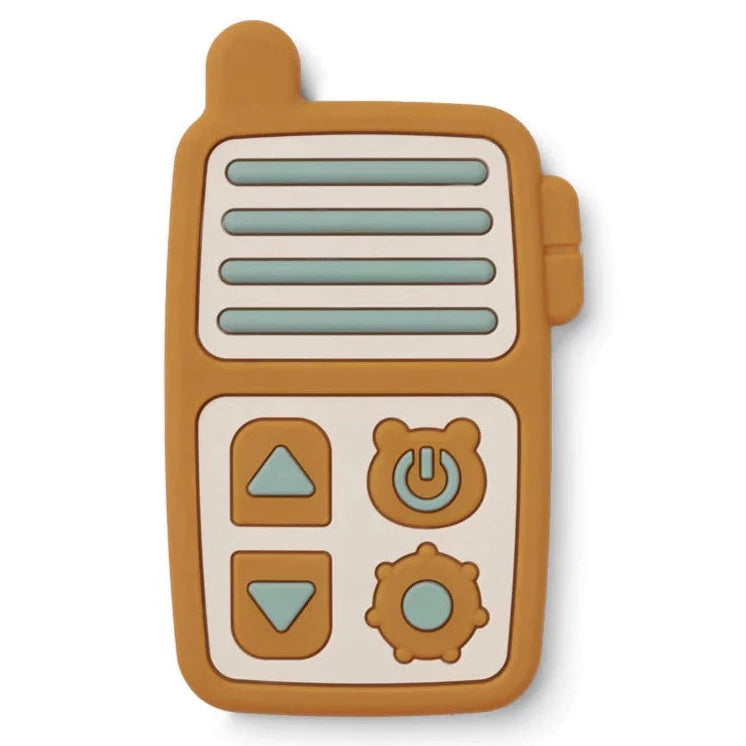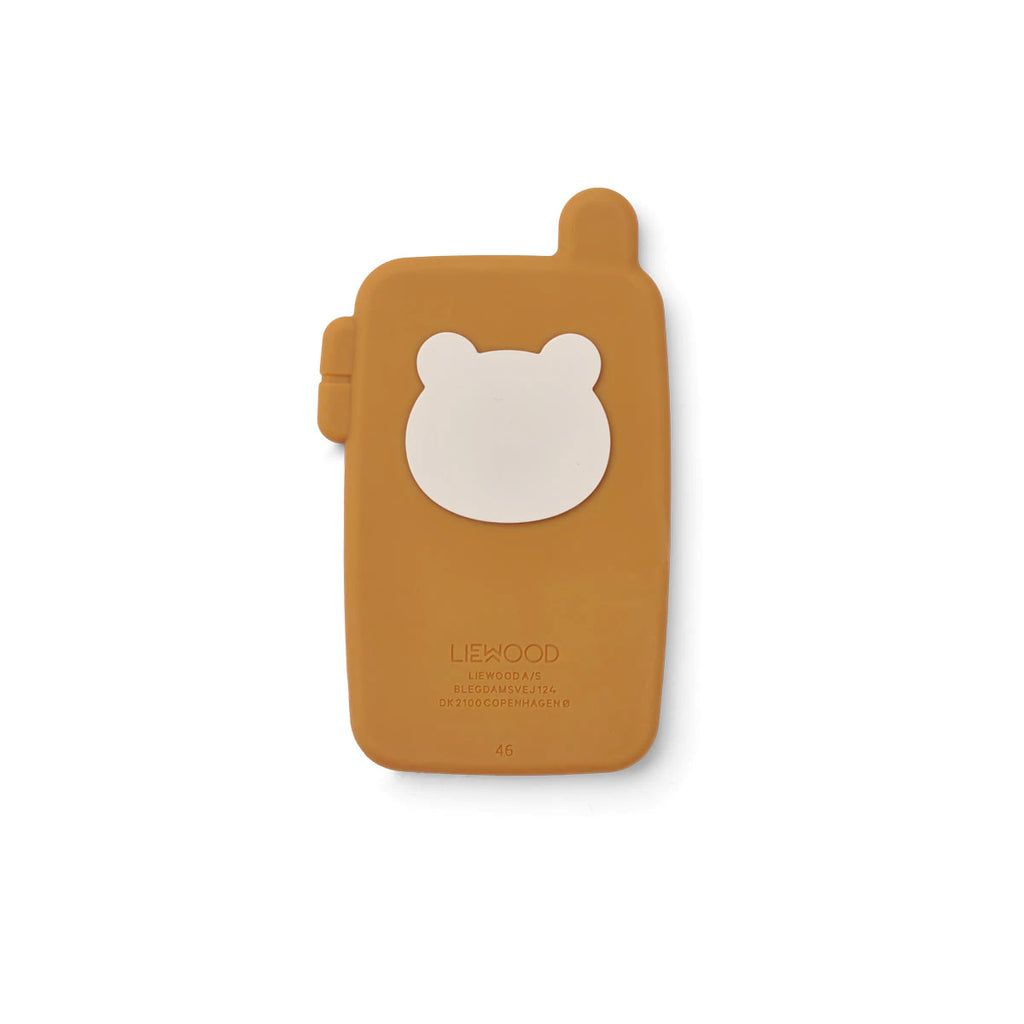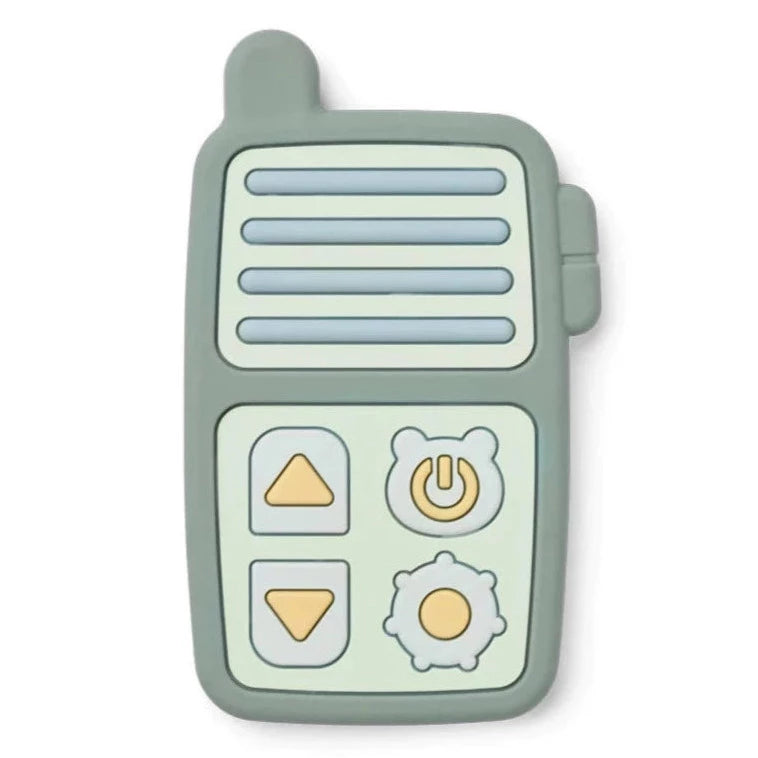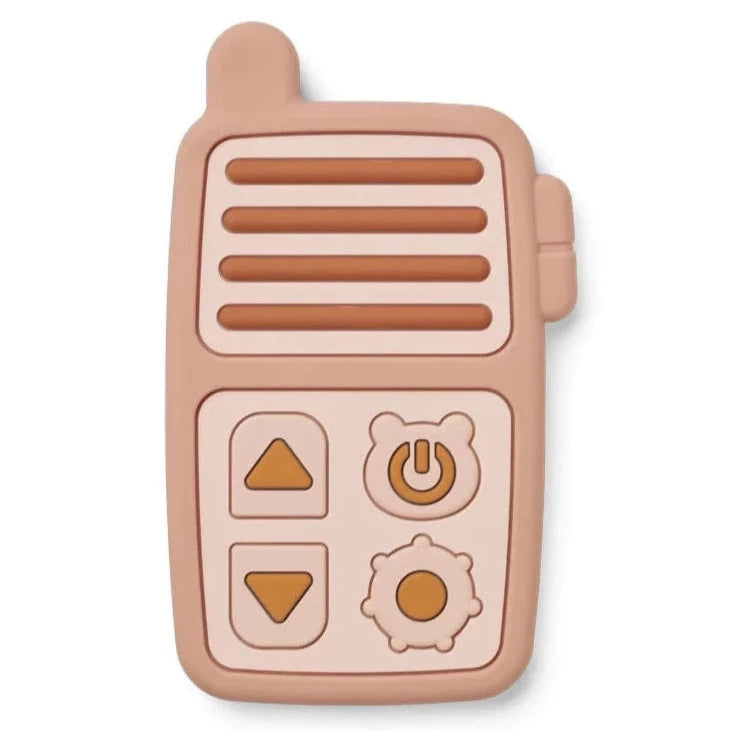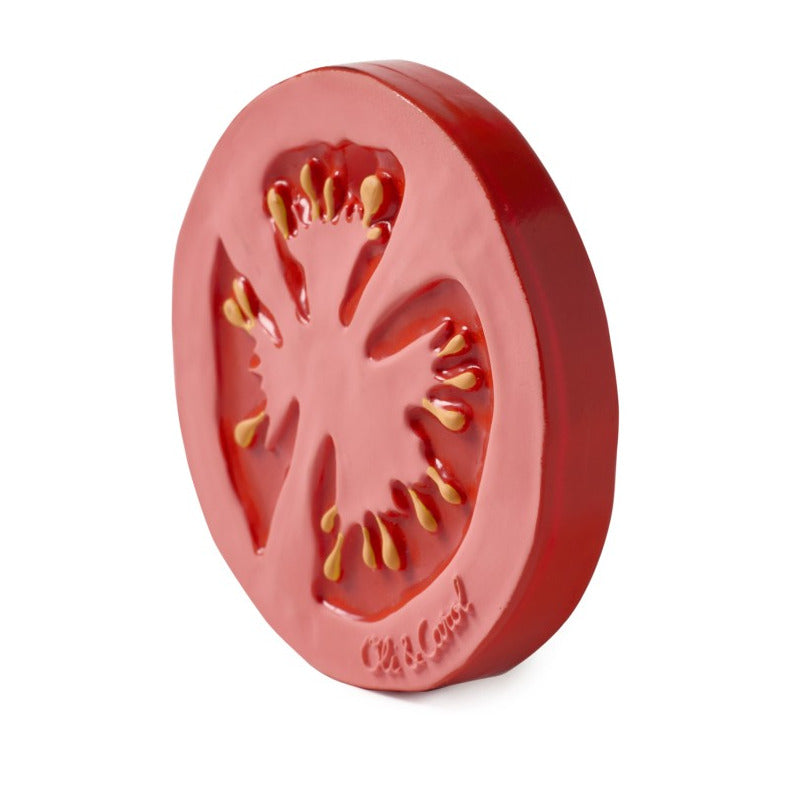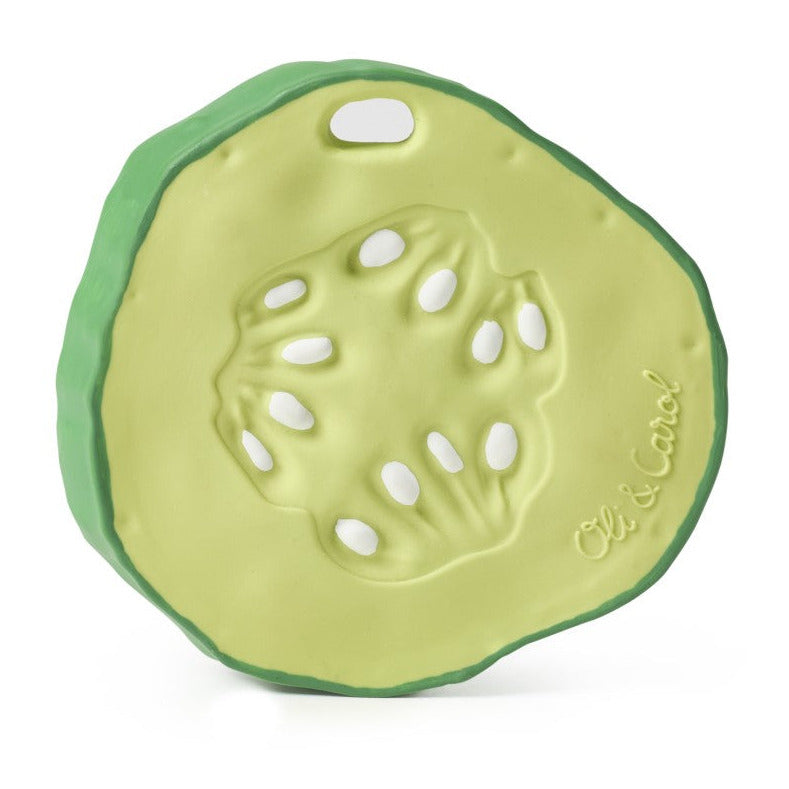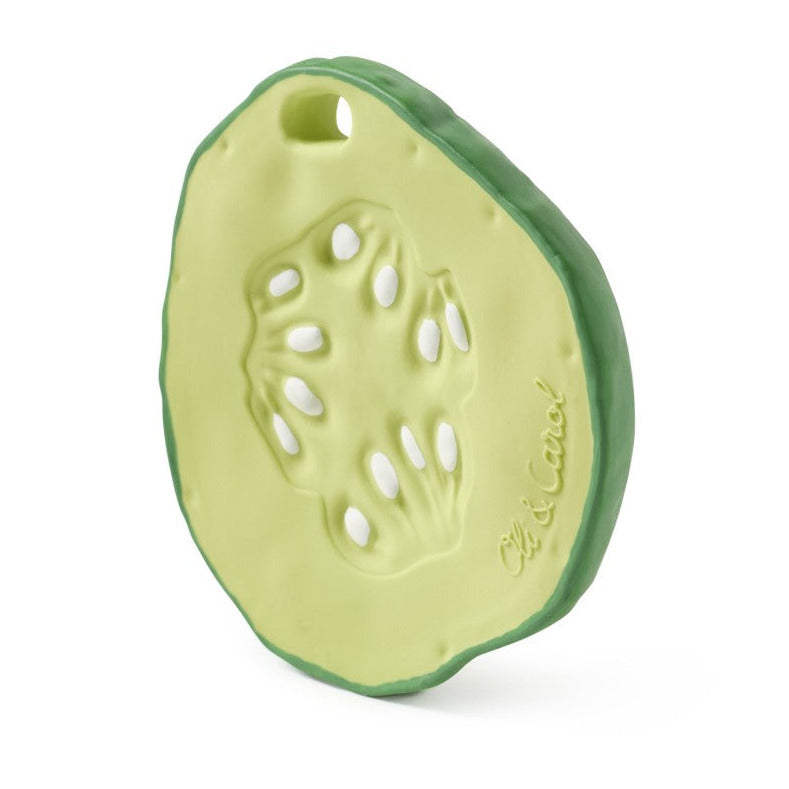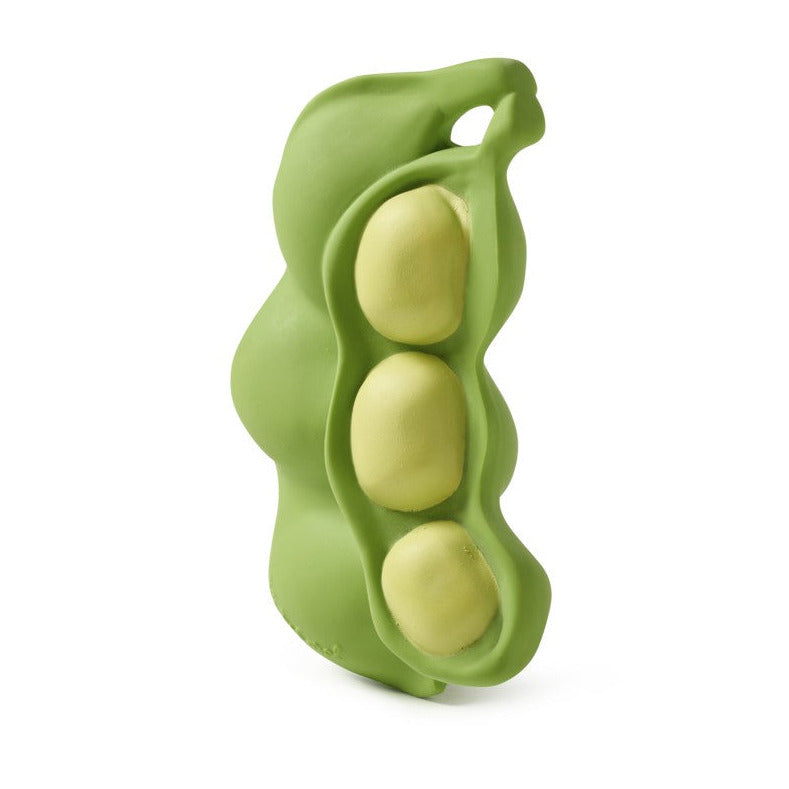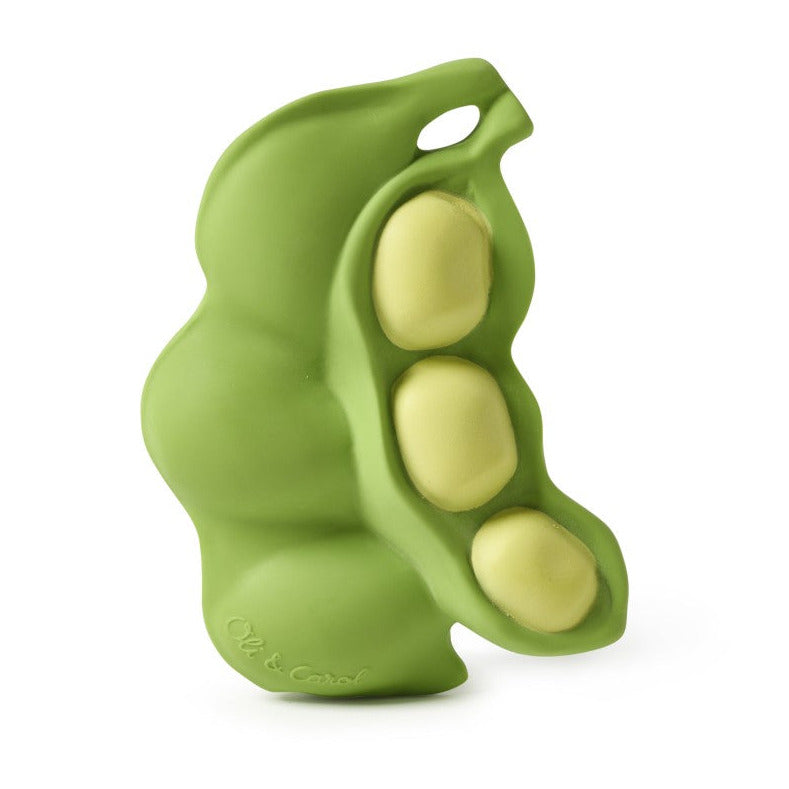
Teething Ring & Teething Toys
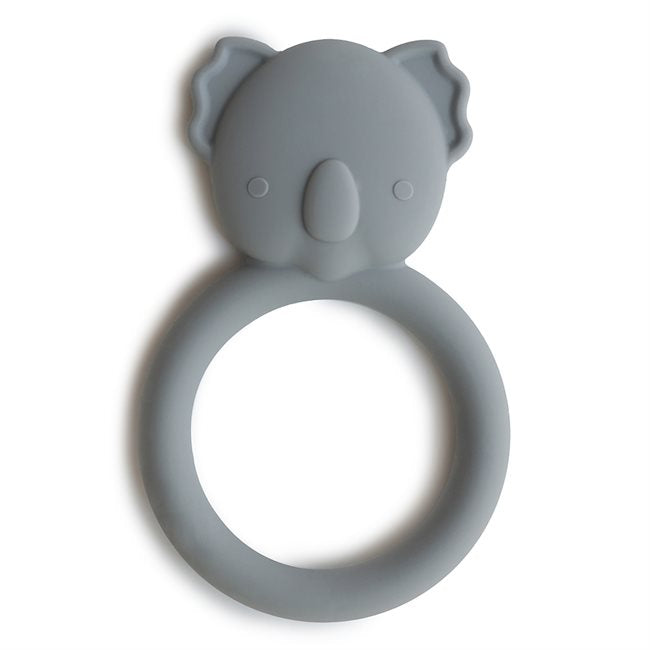
From what age does a baby need a teething ring?

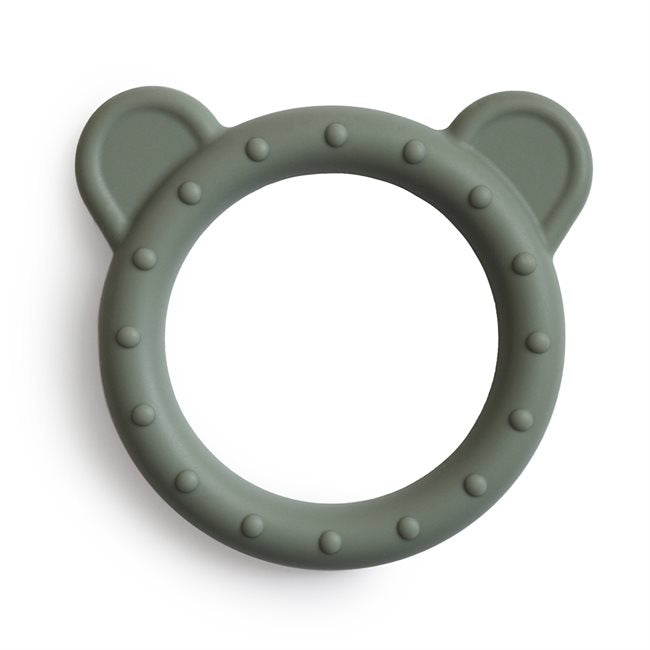
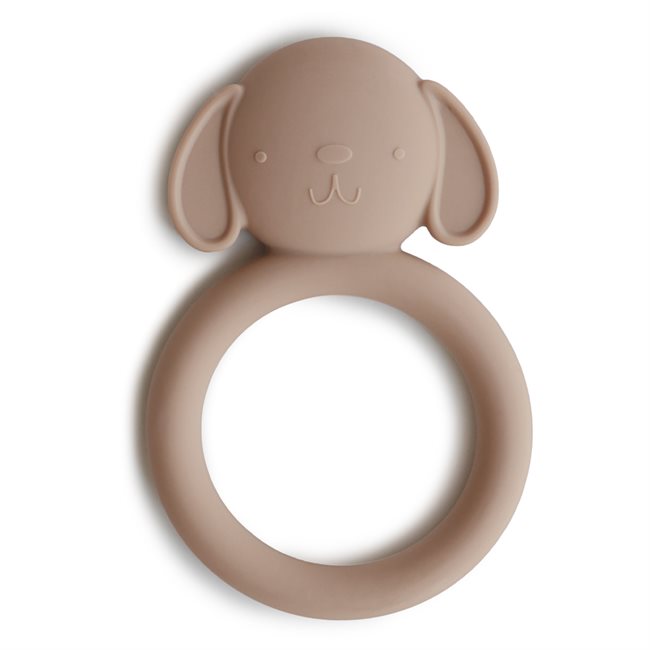
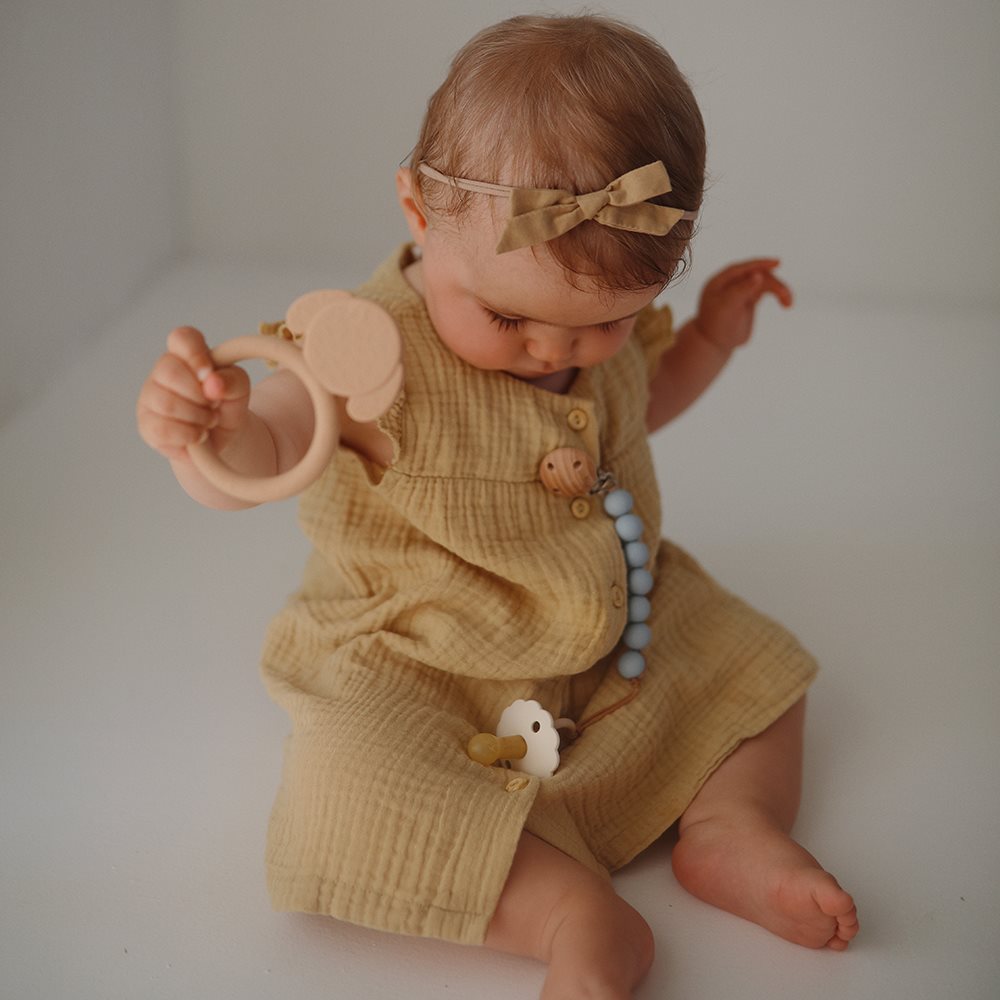
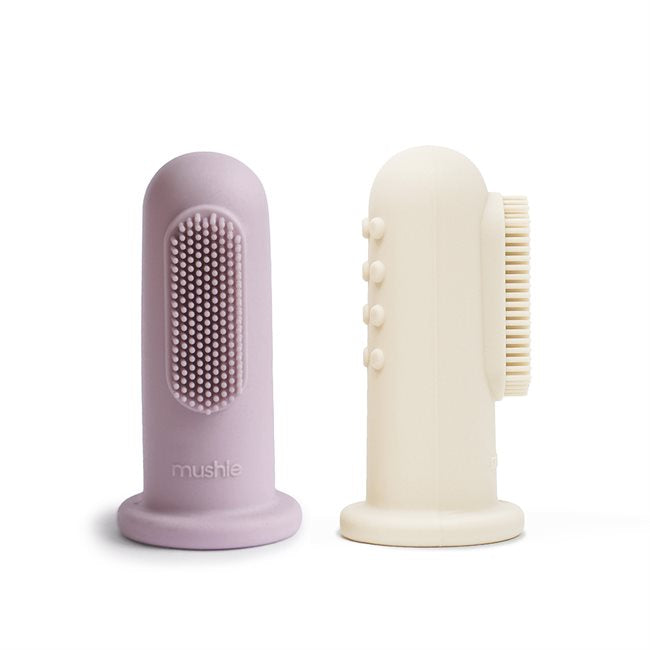
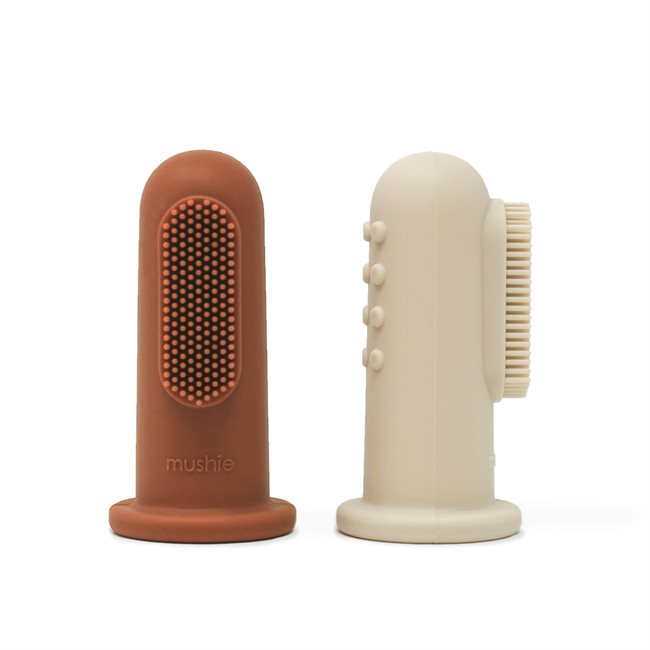
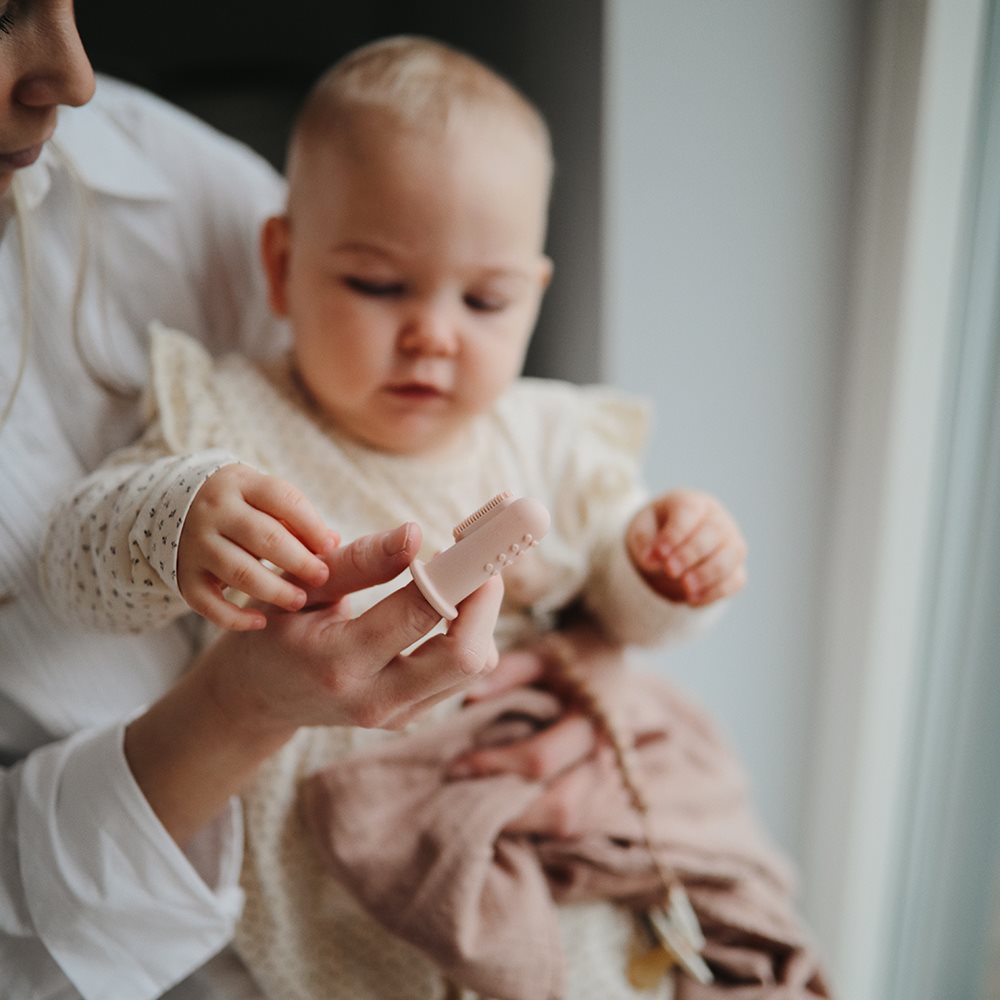
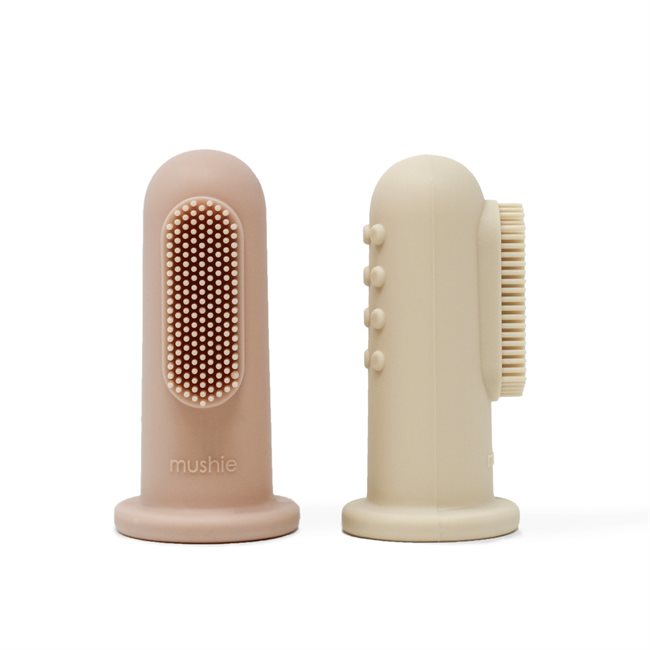
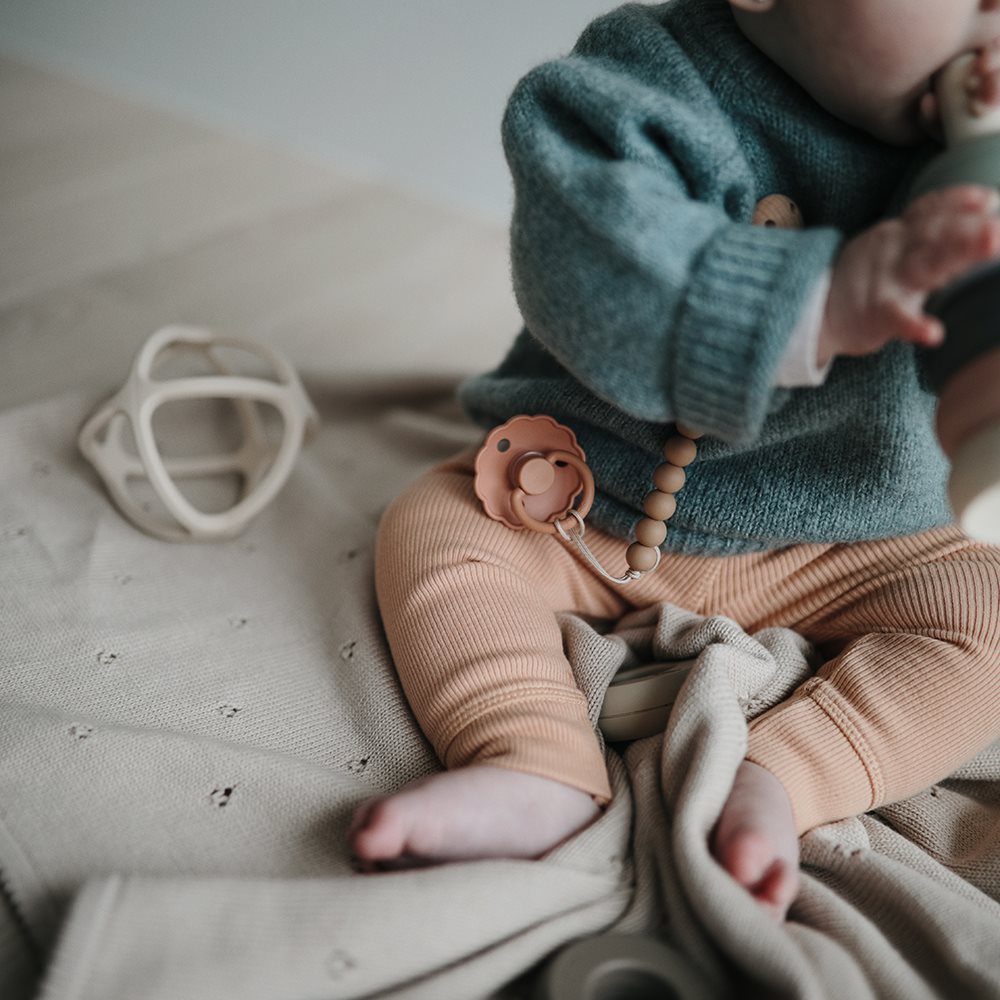
The first teeth usually appear between four and seven months, although some babies start drooling and chewing earlier. As soon as your child puts everything in their mouth and chews on their fingers, a teething ring is a good idea. It relieves pressure in the jaw and provides a safe alternative to fingers and toy edges.

Do teething rings really help with teething?

The counter-pressure from chewing soothes the pulling sensation in the jaw and provides a distraction, which many babies find pleasant. A chilled ring also has a slightly decongestant effect. A teething ring doesn't speed up teething, but it does make the phase more bearable. For severe pain or fever, the pediatrician is the right person to contact.

Why shouldn't a teething ring be put in the freezer?

A rock-hard frozen teething ring can injure sensitive gums and, in the worst case, even freeze the skin. Additionally, water-filled models can leak in freezing temperatures. Instead, place the teething ring in the refrigerator for about 30 minutes. It will then be pleasantly cool but remain flexible enough for the baby's mouth.

How long should a teething ring stay in the refrigerator?

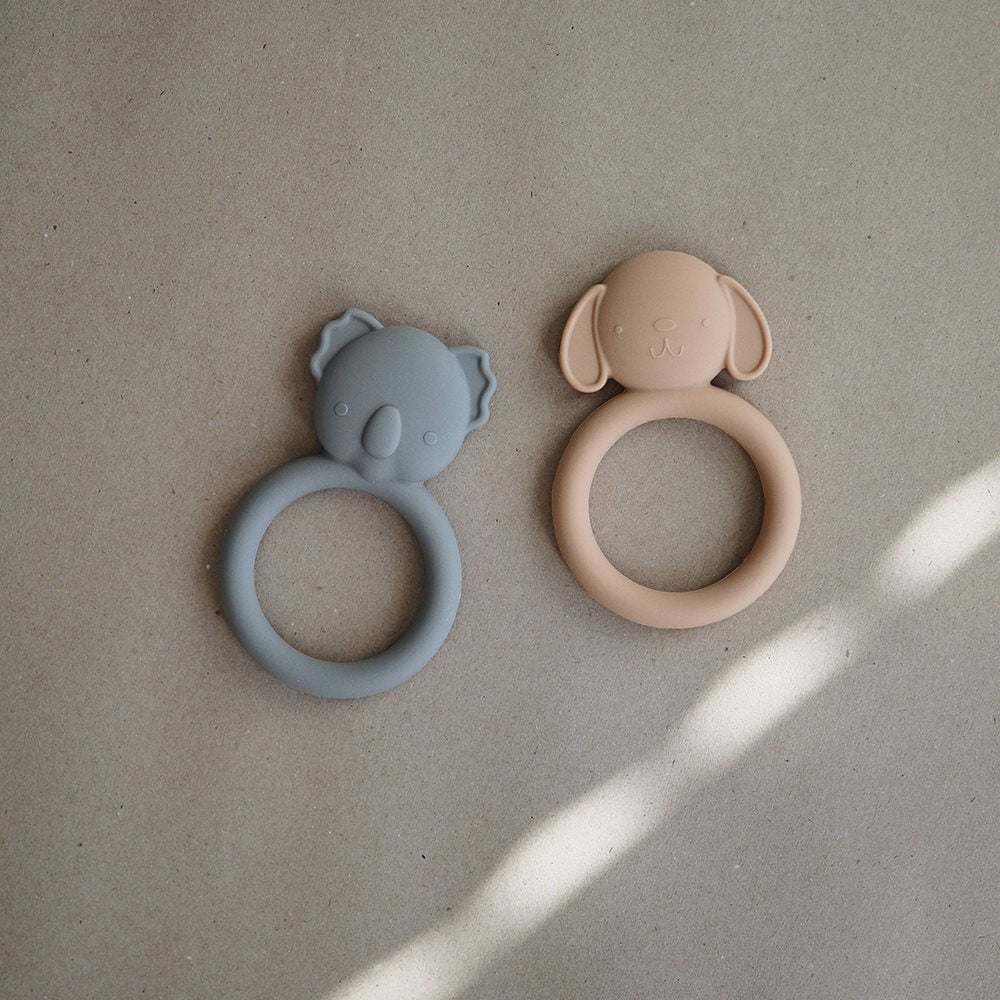
About 20 to 30 minutes is enough for it to feel noticeably cool. Leaving it on longer won't hurt, as long as it doesn't go into the freezer. It's practical to use two rings alternately: one is in use while the other cools down. Wipe it clean before each use to remove any residue from the refrigerator.

What material is best for teething rings?

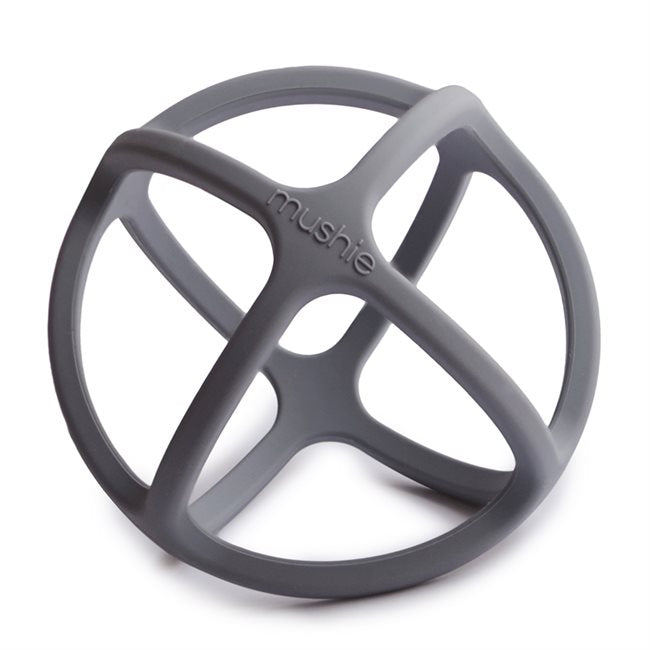
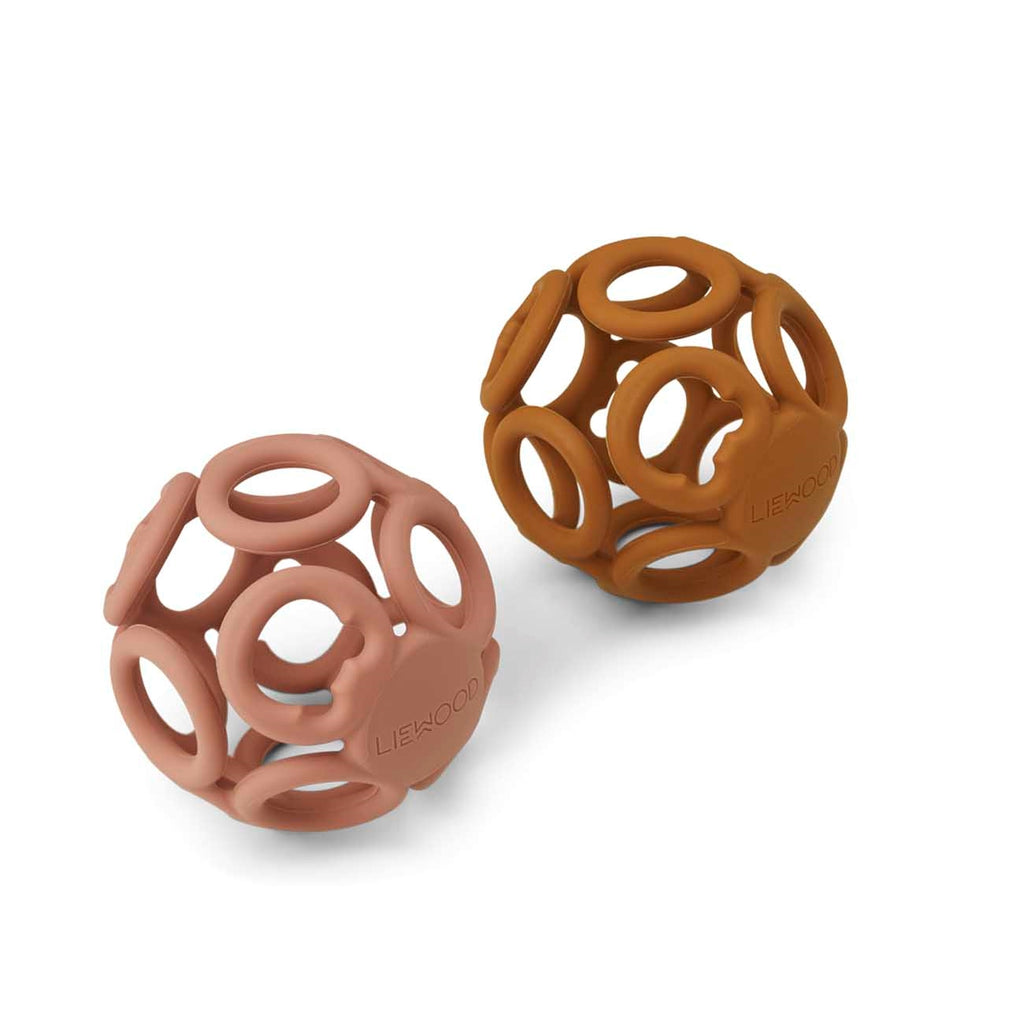
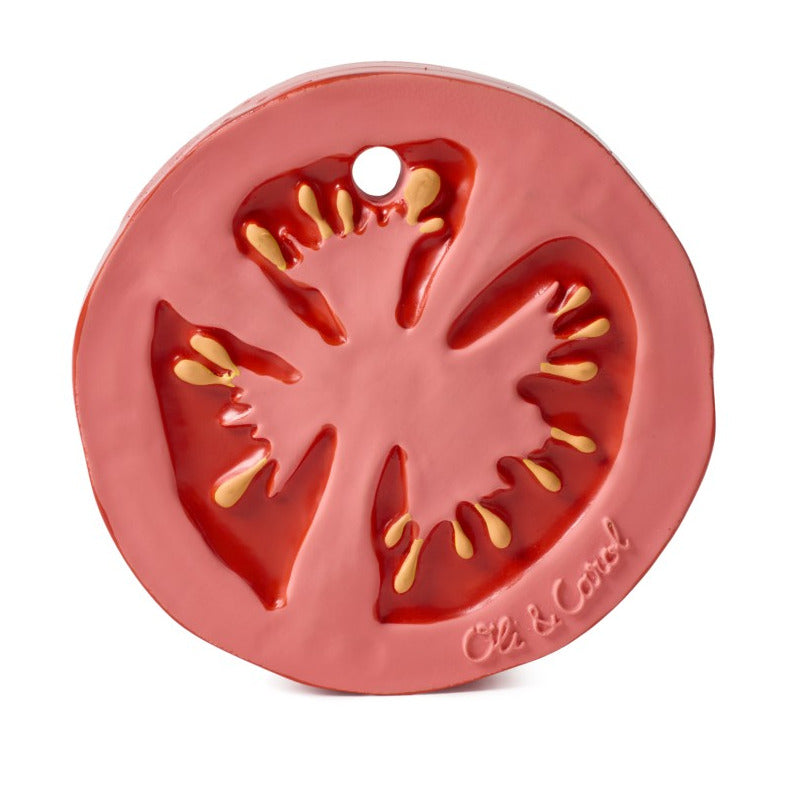
Natural rubber is soft, elastic, and made from a single piece, so there are no seams. Food-grade silicone is also soft and easy to clean. Wood is firmer and good if your baby likes to chew vigorously; it should be untreated or oiled with a saliva-resistant oil. In any case, it's important that no small parts can come loose.

What is the difference between a teething ring and a grasping toy?

A teething ring is designed for chewing and is made of soft, saliva-resistant material. A grasping toy trains hand development: it is lightweight, often includes a rattle, and features different textures. Many models offer both functions. Grasping toys are ideal from three months of age; once teething begins, a teething ring is added.

How do I clean teething rings and grasping toys?

Clean silicone and rubber with warm water and a little mild dish soap, then dry thoroughly. Natural rubber should not be boiled or put in the dishwasher, otherwise it will become porous. Wipe wood with a damp cloth only. Clean daily, as everything ends up in your mouth, and replace damaged parts immediately.

What safety precautions do I need to take?

The ring should be made from a single piece or have firmly attached parts, without any small parts that could be swallowed. Check for cracks or chewed areas before each use. Never leave your baby unattended while sleeping with it on, and never attach anything around the neck with ribbons. The same applies to pacifiers; you can find safe pacifier chains under "Pacifier" and "Pacifier Chains ."

Are teething rings suitable as a gift for a newborn?

Yes, because every child goes through teething, and having several teething rings to alternate between is practical. Sets consisting of a teething ring and a rattle are popular because they cover two phases at once. These can be easily combined with other baby toys , such as a lightweight grasping rattle.

How fast is delivery in Switzerland?

LanaLu is a Swiss online shop and ships from its own warehouse in Switzerland. If you order today, your goods will usually arrive tomorrow. This is especially helpful when your baby is teething, as the need often arises suddenly. It's practical to order two rings and alternate between them.